Turkish football has evolved into a competitive arena where tradition meets ambition, drawing attention from fans across continents. The Turkish Football Championship, officially known as the Süper Lig, represents the pinnacle of domestic football in Turkey, managed by the Turkish Football Federation (TFF) since its modern restructuring. The league features 18 clubs competing annually from September through May, with broadcasting rights secured by beIN Media’s Digiturk subsidiary through the 2026/27 season under a multi-million euro contract. Three Istanbul-based giants—Galatasaray, Fenerbahçe, and Beşiktaş—have claimed the majority of championship titles, establishing a hegemony that shapes the competitive landscape and influences European quota allocation. The intense interest in these rivalries also drives the Turkish football betting market, where platforms like luks casino offer fans extensive match markets, high odds, and lucrative opportunities for Süper Lig predictions.
Introduction: Specifics and Structure of the Turkish Football Super League
The Süper Lig operates as Turkey’s top-tier professional football division, comprising 18 teams that face each other twice per season in a round-robin format totaling 34 matchdays. Points accumulation follows the standard three-for-a-win system, with goal difference and head-to-head records serving as tiebreakers. The Turkish Football Federation oversees competition regulations, disciplinary proceedings, and licensing requirements for participating clubs.
Each season concludes with the top four or five finishers securing berths in UEFA competitions—Champions League and Europa Conference League spots depend on Turkey’s UEFA coefficient ranking, which has fluctuated between fifth and eighth place among European associations in recent years. The bottom three clubs face automatic relegation to the TFF 1. Lig, the second tier, creating constant pressure for mid-table teams to avoid the drop zone.
Infrastructure standards have risen significantly, with clubs required to maintain stadiums meeting UEFA Category 4 criteria for European participation. Notable venues include the 52,500-capacity RAMS Park (Ali Sami Yen Spor Kompleksi) for Galatasaray, the 50,500-seat Şükrü Saracoğlu Stadium (now branded as Chobani Stadyumu) for Fenerbahçe, and Beşiktaş’s 42,000-capacity Vodafone Park. Provincial clubs such as Trabzonspor and Gaziantep FK have also upgraded facilities to comply with modern safety and spectator comfort standards.
League Dominance: The Hegemony of the Istanbul Giants (Galatasaray, Fenerbahçe, Beşiktaş)
Galatasaray, Fenerbahçe, and Beşiktaş have collectively won more than 90% of all Turkish Football Championship titles since the league’s inception. Galatasaray leads the all-time standings with 24 championship trophies, followed closely by Fenerbahçe with 19 and Beşiktaş with 16. This concentration of success reflects financial advantages, larger fan bases, and historical prestige that attract top talent.
The Istanbul clubs’ dominance extends beyond domestic silverware. Their combined budgets often exceed those of all other Süper Lig teams combined, enabling them to secure high-profile transfers and retain star players longer. Galatasaray’s revenue streams include substantial sponsorship deals, matchday income from sold-out fixtures, and commercial partnerships that dwarf provincial competitors.
Fenerbahçe’s passionate supporter base, estimated at over 20 million nationwide, provides commercial leverage that translates into kit sponsorships exceeding €15 million annually. Beşiktaş has leveraged digital innovation and international marketing campaigns to expand its global footprint, particularly in Asia and North America. Provincial challengers like Trabzonspor (six titles) and Bursaspor (one title) have occasionally disrupted this oligopoly, but sustained success remains elusive without comparable financial resources.
The Iconic Intercontinental Derby and Galatasaray’s European Success
The Intercontinental Derby between Fenerbahçe and Galatasaray ranks among world football’s most intense rivalries, regularly attracting television audiences exceeding 50 million viewers across Turkey and diaspora communities. Security protocols for these fixtures involve thousands of police officers, strict fan segregation, and temporary alcohol sales bans within stadium perimeters. The derby’s nickname stems from the clubs’ locations on opposite sides of the Bosphorus Strait—Fenerbahçe on the Asian shore, Galatasaray on the European side.
Galatasaray achieved historic European glory by winning the 2000 UEFA Cup, defeating Arsenal in the final on penalty kicks. This victory remains the only major European trophy won by a Turkish club, cementing Galatasaray’s status as the nation’s most successful international competitor. The triumph sparked nationwide celebrations and elevated Turkish football’s international profile.
Beyond the UEFA Cup, Turkish clubs have reached European competition quarterfinals on multiple occasions. Galatasaray qualified for the Champions League knockout stages several times, while Fenerbahçe and Beşiktaş have made deep runs in the Europa League. These performances contribute to Turkey’s UEFA coefficient, which directly impacts the number of Champions League and Europa Conference League berths allocated to Süper Lig finishers.
High Density of the League Table and Allocation of European Quotas
The Süper Lig’s competitive density creates unpredictable outcomes, with mid-table teams regularly defeating championship contenders. During the 2025/26 season, the gap between first and fifth place remained within single digits through matchday 25, illustrating parity beyond the traditional big three. This competitiveness stems from improved coaching standards, tactical evolution, and strategic recruitment by ambitious provincial clubs.
European quota allocation depends on Turkey’s position in UEFA’s five-year coefficient rankings. As of the 2026/27 season, Turkey occupies seventh place, entitling the Süper Lig champion to automatic Champions League group stage entry, the runner-up to Champions League qualifying rounds, and the third and fourth-place finishers to Europa Conference League berths. Turkish Cup winners receive an additional Europa Conference League spot, potentially expanding European representation to five clubs.
Qualification battles intensify during spring months, with clubs outside the traditional powerhouses vying for lucrative European participation. A Conference League group stage appearance generates approximately €3 million in prize money and television revenue—transformative sums for clubs like Alanyaspor, Sivasspor, or Konyaspor. This financial incentive drives tactical caution among mid-table teams facing relegation-threatened opponents, occasionally resulting in low-scoring draws that frustrate attacking football purists.
Squad Potential: The Super League as a Magnet for Global Stars and Top Coaches
The Turkish Football Championship attracts established international players seeking competitive salaries and high-profile exposure. Recent seasons have seen former Premier League, La Liga, and Serie A stars join Süper Lig clubs, drawn by tax incentives for foreign workers, passionate fan atmospheres, and opportunities to compete in European tournaments. Mauro Icardi, Dries Mertens, and Wilfried Zaha represent high-profile transfers who chose Turkish clubs over alternatives in Western Europe.
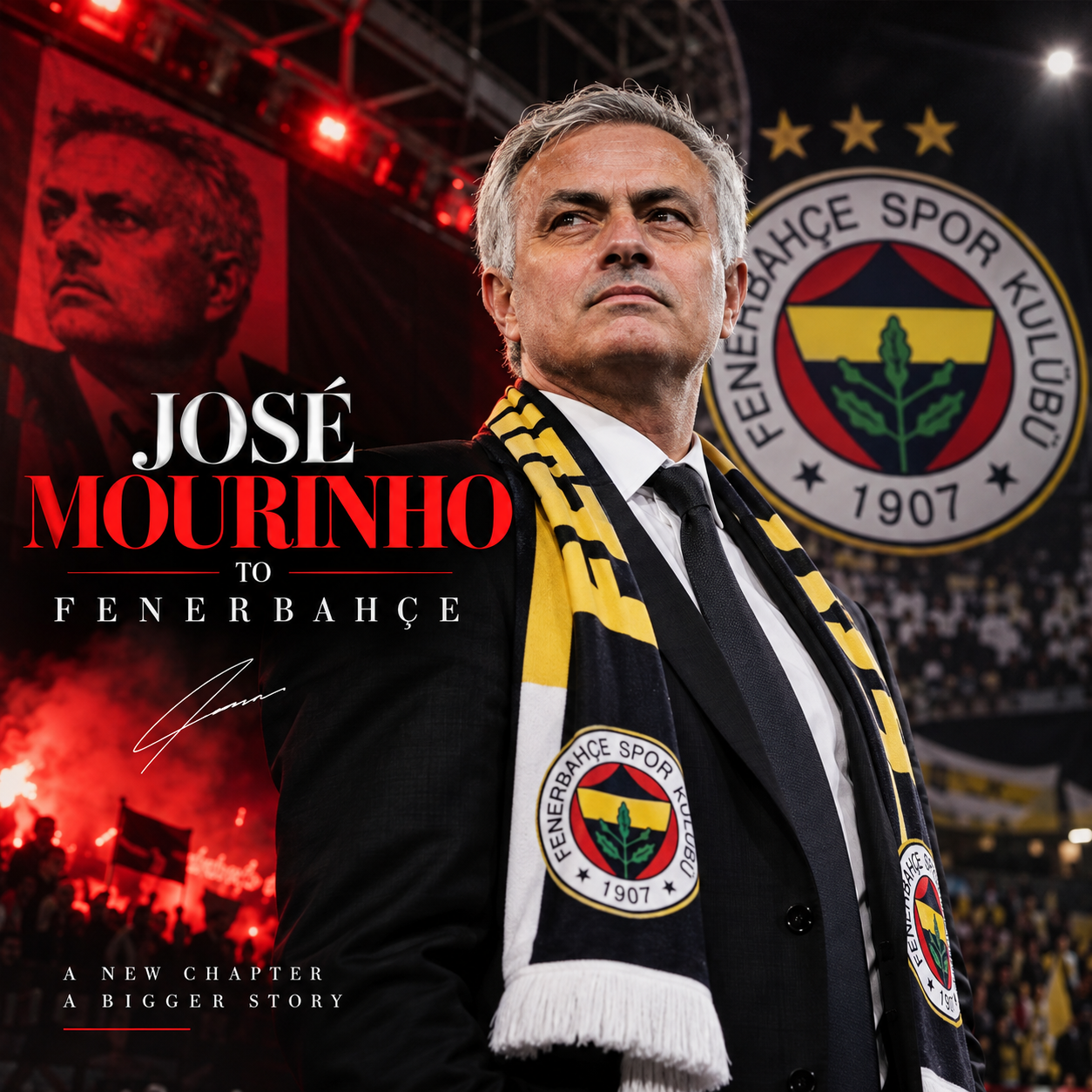
Coaching appointments reflect similar ambition, with clubs recruiting managers who have led teams in Champions League competitions. José Mourinho’s appointment by Fenerbahçe in 2024 exemplified this trend, bringing global media attention and raising competitive standards across the league. Italian, German, and Portuguese coaches have found success in Turkey, adapting their tactical philosophies to accommodate the league’s physical intensity and emotional atmosphere.
Youth development has improved through investment in academy infrastructure and partnerships with European clubs. Galatasaray’s Florya training complex and Fenerbahçe’s youth campus in Samandıra produce prospects who regularly feature in first-team squads. The TFF mandates that each matchday squad include a minimum number of Turkish-trained players, incentivizing clubs to develop domestic talent alongside foreign imports.
Transfer Policy: Strict and Variable Limit on Foreign Players
Turkish Football Federation regulations impose quotas on foreign player registrations, aiming to preserve opportunities for Turkish nationals and maintain competitive balance. Current rules allow clubs to register a maximum of 14 foreign players per season, with matchday squads limited to 11 non-Turkish citizens. Within these 11, a maximum of eight may appear on the field simultaneously, forcing coaches to rotate international stars based on tactical needs.
These restrictions influence transfer strategies significantly. Clubs prioritize versatile foreign players who can fill multiple positions, maximizing the value of limited non-Turkish slots. Turkish passport holders with dual nationality—particularly players of Turkish descent born abroad—become premium targets, as they occupy domestic quotas while offering international experience.
The foreign player limit has fluctuated historically, ranging from as few as five to as many as 14, reflecting debates between nationalist preservation of Turkish talent and commercial desires to attract global stars. Provincial clubs often advocate for stricter limits to level the playing field against Istanbul giants, whose financial power would otherwise enable unlimited foreign recruitment. Conversely, clubs with European ambitions argue that liberalized quotas raise competitive standards and improve UEFA coefficient performance.
Atmosphere and Security: Home Field Advantage, Ultras Culture, and the Passolig System
Turkish football stadiums generate atmospheres renowned for intensity, volume, and choreographed displays orchestrated by organized supporter groups known as ultras. Fenerbahçe’s “Şükrü Saracoğlu Hell” and Galatasaray’s “Ali Sami Yen Hell” reputations stem from deafening noise levels that have been measured above 130 decibels during critical matches. Visiting teams frequently cite these environments as among Europe’s most intimidating.
Home advantage statistics confirm this psychological impact: Süper Lig teams won approximately 52% of home fixtures during the 2025/26 season compared to 23% away, with 25% ending in draws. Istanbul giants boast even stronger home records, losing fewer than three matches per season at their respective venues. Flares, banners, and synchronized chants create spectacles that enhance broadcast appeal while occasionally prompting UEFA sanctions for excessive pyrotechnics.
The Passolig system, introduced in 2014, serves as Turkey’s mandatory electronic ticketing and fan identification platform. All supporters attending Süper Lig matches must obtain a Passolig card linked to their national identification numbers, enabling authorities to track attendance and enforce stadium bans. The system aims to reduce hooliganism by creating accountability, though critics argue it infringes privacy and complicates casual attendance.
Security protocols include biometric verification at turnstiles, prohibition of standing sections in most stadiums, and comprehensive CCTV coverage. Match delegates assess compliance with safety regulations, and clubs face fines or spectator bans for supporter misconduct. Despite these measures, isolated incidents of violence between rival fan groups occur, particularly surrounding high-stakes derby matches.
Media Economy: Multi-Million TV Market and the Role of beIN Media in Financing
Broadcasting revenue constitutes the largest income stream for most Süper Lig clubs, with beIN Media’s Digiturk subsidiary holding exclusive domestic and international rights through the 2026/27 season. The current contract, valued at approximately €500 million over three years, distributes funds based on league finish, historical success, and audience metrics. Galatasaray, Fenerbahçe, and Beşiktaş receive disproportionately large shares—collectively claiming nearly 50% of total broadcast revenue—due to contractual agreements favoring established brands.
beIN Sports broadcasts Süper Lig matches across the Middle East, North Africa, and parts of Asia, leveraging Turkey’s geographic position and diaspora populations. International rights sales target Turkish expatriate communities in Germany, France, and the Netherlands, where millions follow their ancestral clubs. Streaming options through beIN Connect and mobile applications have expanded accessibility, particularly among younger demographics who prefer digital consumption over traditional satellite television.
The Turkish Football Federation negotiates central broadcasting deals on behalf of all clubs, preventing individual negotiations that could fracture media rights like in some European leagues. This collective approach ensures financial stability for smaller clubs that would struggle to negotiate independently. Revenue distribution formulas allocate 40% equally among all 18 clubs, 30% based on final league standings, 20% according to historical success over five seasons, and 10% tied to broadcast appearances and audience ratings.
Sponsorship partnerships with beIN Media extend beyond broadcasting, with the network’s parent company investing in digital infrastructure, production quality enhancements, and promotional campaigns that elevate league visibility. Turkish Football Championship matches air in high-definition with multi-camera setups, tactical analysis segments, and studio shows that rival top European leagues’ broadcast standards. This production quality attracts commercial sponsors, creating a virtuous cycle of investment and revenue growth.
FAQ
How many teams compete in the Turkish Football Championship each season?
The Süper Lig features 18 clubs competing in a double round-robin format, totaling 34 matchdays per season. Each team plays 17 home and 17 away fixtures, with the season typically running from late August through May. The bottom three finishers face relegation to TFF 1. Lig, while the top four or five secure European competition berths depending on Turkey’s UEFA coefficient ranking.
Which clubs have won the most Turkish Football Championship titles?
Galatasaray leads with 24 championship trophies, followed by Fenerbahçe with 19 and Beşiktaş with 16. These three Istanbul-based clubs have dominated Turkish football for decades, collectively winning over 90% of all titles. Trabzonspor ranks fourth with six championships, while Bursaspor’s 2010 triumph remains the most recent title won by a non-Istanbul club.
What is the Passolig system and why was it implemented?
Passolig is Turkey’s mandatory electronic ticketing platform introduced in 2014 to enhance stadium security and reduce hooliganism. All spectators must register using their national identification numbers and present Passolig cards linked to purchased tickets at stadium entrances. The system enables authorities to enforce stadium bans, track attendance patterns, and improve safety during high-risk matches, though critics cite privacy concerns and accessibility barriers for casual fans.
How does the foreign player limit affect Turkish Football Championship squads?
Clubs may register up to 14 foreign players per season, with matchday squads limited to 11 non-Turkish citizens. During matches, a maximum of eight foreign players can appear on the field simultaneously. These quotas force coaches to rotate international stars strategically and prioritize versatile players who can fill multiple positions, while also incentivizing investment in Turkish youth development to maximize domestic talent pools.
Who holds the broadcasting rights for the Turkish Football Championship?
beIN Media’s Digiturk subsidiary holds exclusive domestic and international broadcasting rights through the 2026/27 season under a contract valued at approximately €500 million over three years. Revenue distribution favors historically successful clubs, with Galatasaray, Fenerbahçe, and Beşiktaş collectively receiving nearly half of total broadcast income. International broadcasts target Turkish diaspora communities across Europe, the Middle East, and North Africa.
What are the key differences between the Turkish Football Championship and major European leagues?
The Süper Lig enforces stricter foreign player quotas than most European leagues, limiting matchday squads to 11 non-Turkish citizens with a maximum of eight on the field simultaneously. Istanbul’s three dominant clubs concentrate championship success more heavily than in leagues with greater parity, such as the Premier League or Bundesliga. Atmosphere intensity and ultras culture surpass most European counterparts, while broadcasting revenue and wage expenditures remain lower than in Western Europe’s top five leagues despite recent growth.
How competitive is the race for European qualification spots in the Süper Lig?
The battle for fourth and fifth positions intensifies each spring, as mid-table clubs compete for lucrative Europa Conference League berths worth approximately €3 million in prize money. During recent seasons, the gap between third and eighth place has remained within 10 points through matchday 30, creating unpredictable outcomes. Provincial clubs like Alanyaspor, Sivaaspor, and Konyaspor have qualified for European competitions by exploiting tactical matchups against traditional powerhouses and maintaining consistency against relegation-threatened opponents.